


We are leveraging the biology of the human innate immune system to pioneer groundbreaking investigational therapeutics for the treatment of autoimmune and alloimmune disorders. Our mission is to identify and develop safer and more effective alternatives to traditional immunosuppressive therapies for patients in need.
Individuals suffering from autoimmune diseases and transplant rejection need safer, more tolerable, and more effective treatments

Calcineurin-inhibitors (CNI) such as cyclosporine and tacrolimus are powerful, narrow therapeutic index immunosuppressants used as current standard of care in the prevention and treatment of serious conditions such as solid organ transplant rejection and autoimmune disorders.
CNI-based immunosuppression is generally considered effective over the short term, but due to toxicity requires careful monitoring and poses serious risks and long-term adverse effects to patients including neurologic and kidney injury.
CNI intolerance leading to medication non-adherence occurs in >50% of kidney transplant patients and directly leads to allosensitization and chronic antibody mediated rejection. This may lead to loss of the transplanted organ and for kidney transplant recipients, a return to a life spent on dialysis.
Furthermore, newer types of drugs in use today or in clinical development are promising, yet may still lead to over-immunosuppression and therefore do not facilitate the restoration of a balanced immune system.
Safer and more effective treatments for acute and chronic organ transplant maintenance and autoimmune disorders are urgently needed.

Our Approach
We are developing unique therapeutic candidates with a novel mechanism of action leveraging at least three key features: (1) impairment of effector T cells (Teffs); (2) proliferation of regulatory T cells (Tregs); and (3) downregulation of B cell activation, proliferation, and antibody production. Tregs are a key component in maintaining a healthy and balanced innate immune system and transplant recipients and autoimmune disease patients suffer from a deficiency of Tregs. However, inducing Tregs alone is not likely sufficient to have an immediate impact on disease and therefore modulating Teffs and B cell mechanisms simultaneously presents a novel approach.
Leveraging intellectual property exclusively licensed from world renowned Cedars Sinai Medical Center (Los Angeles, California), our drug candidates are derived from a natural human protein which is produced by the human placenta during pregnancy and is also abundantly expressed in the thymus. Recent data suggest this protein may be an important regulator of maternal-fetal tolerance during pregnancy. We felt it would be an important agent to investigate as a potential therapeutic for prevention of transplant rejection and a treatment for autoimmune diseases, conditions which are known to be perpetuated by Teff and suppressed by Treg cells. If successful in future clinical studies, our therapeutic drug candidates could help patients in need without the toxicity of today’s mainstay immunosuppressant drugs such as calcineurin inhibitors and mycophenolic acid. We are also exploring this novel axis of immunobiology for the development of additional therapeutic drug programs.
Meet the Team
-
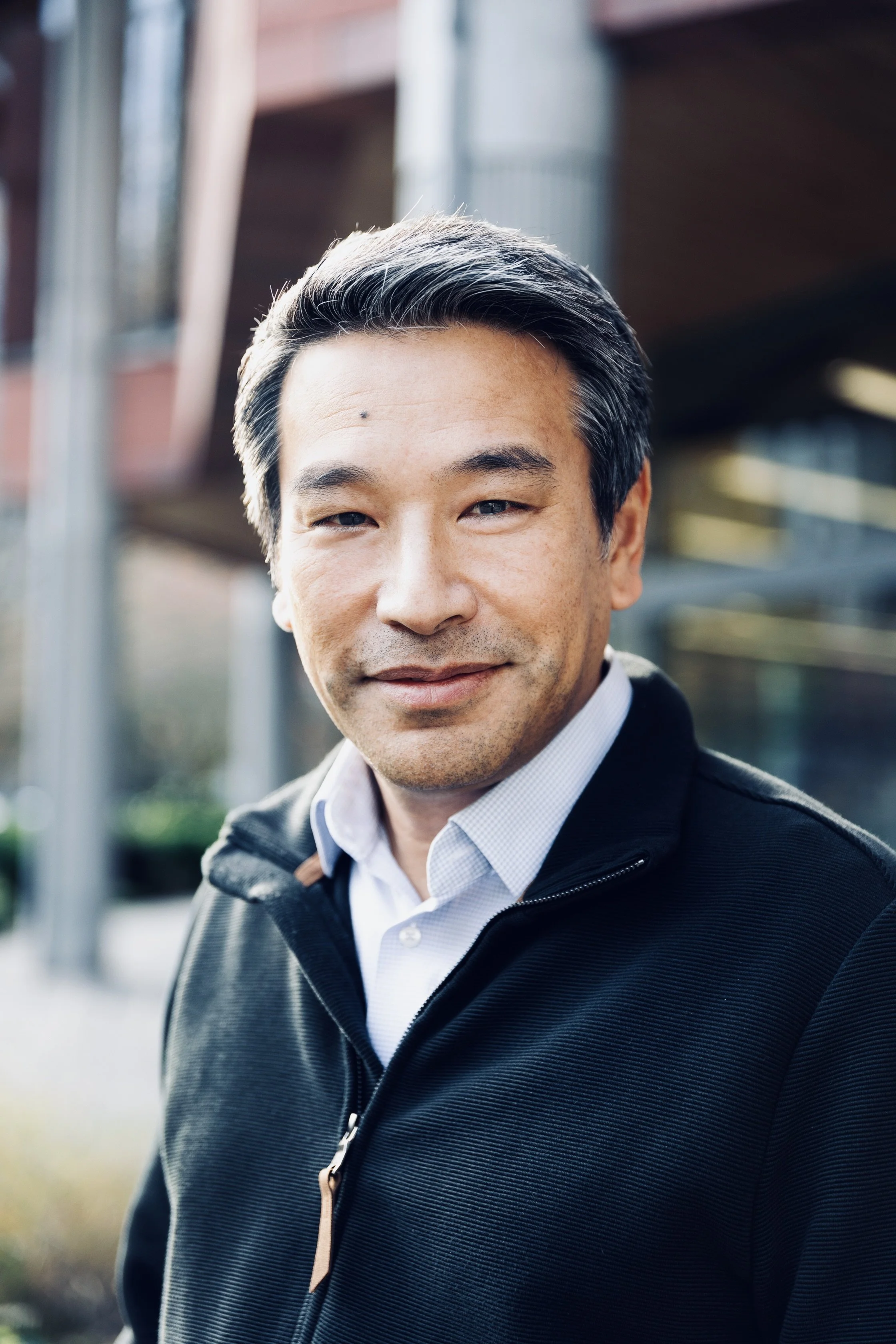
Kevin Chow, PhD
Co-founder, President & CEO
-

Stanley C. Jordan, MD
Co-founder & Chief Scientific Officer
-

S. Ananth Karumanchi, MD
Co-founder & Lead Scientific Advisor
-

Tom Neary
Head of Finance
-

Kristin Mulready, MS, GCEC
Head of Program Management
-

Scott Rudge, PhD
Head of CMC
-
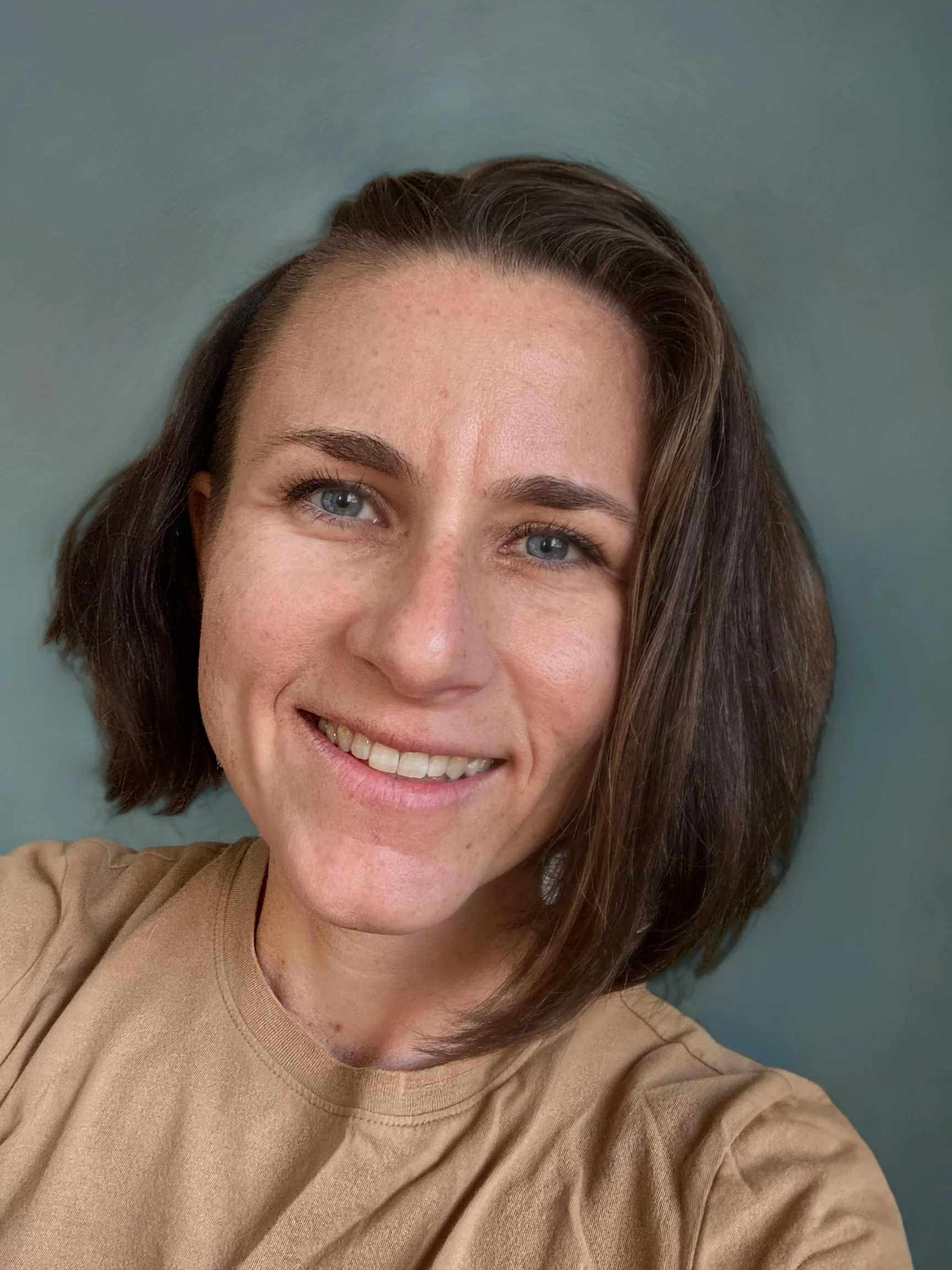
Amanda Kohler, PhD
Head of Protein Engineering

Contact Us
Mitera Biosciences Inc.
3120 139th Avenue Southeast Suite 500
Bellevue, Washington 98005
Phone: +1 (425) 818-5036

Copyright © 2026 Mitera Biosciences Inc. All rights reserved.